Best Smart Rings of 2026: Oura, Samsung, Ultrahuman, RingConn, and Amazfit Compared
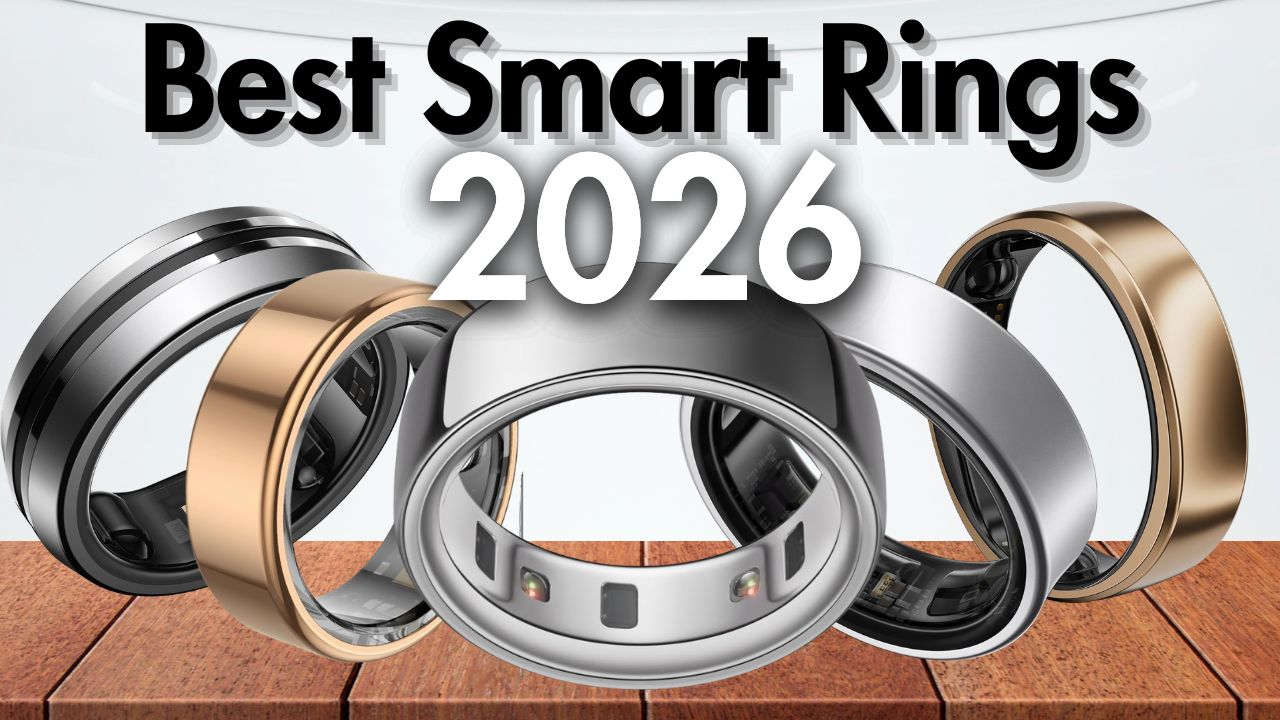
Five of the best smart rings compared: Oura Ring Gen 4, Samsung Galaxy Ring, Ultrahuman Ring Air, RingConn Smart Ring (Gen 2), and Amazfit Helio Ring, plus who each one is actually for.
Smart rings finally feel like a real category in 2026 instead of a science experiment for people who hate watches. The best ones can track sleep, resting heart rate, HRV, temperature trends, and recovery without putting a screen on your wrist or buzzing you every ten minutes. The catch is that the differences now matter more: some rings are clearly better at sleep insight, some are better on battery life, and some quietly become expensive once subscriptions get involved.
In this guide, we compare five of the most relevant smart rings you can actually buy right now: the Oura Ring Gen 4, Samsung Galaxy Ring, Ultrahuman Ring Air, RingConn Smart Ring (Gen 2), and Amazfit Helio Ring. These are all legitimate options. They are just aimed at very different people.
OUR PICKS
1. Oura Ring Gen 4
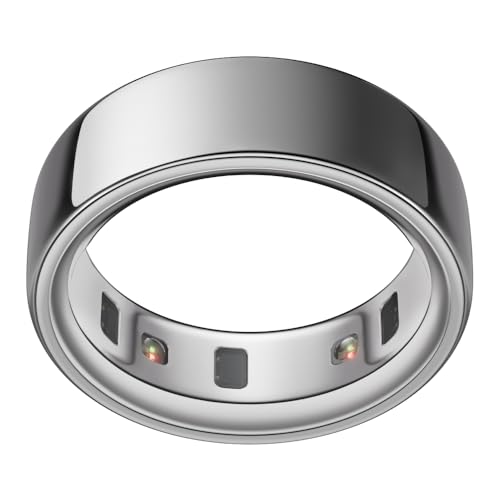
If you want the most polished smart ring experience available right now, this is still the one to beat. The Oura Ring Gen 4 feels like the product the whole category has been chasing: comfortable enough to forget about, mature enough that the app usually tells you something useful, and consistent enough that the trends actually mean something after a few weeks of wear.
The big upgrade here is comfort and sensor refinement. Oura’s fourth-generation ring uses a full titanium build with recessed sensors, so it feels less gadget-y than earlier versions and less intrusive than most rivals. Sleep tracking and readiness scoring remain its biggest strengths, and the app is still the best at turning overnight data into simple “do more” or “take it easy” guidance. The problem, as always, is the business model: the hardware is premium, and the best insights still live behind a monthly subscription.
Pros:
- Best-in-class sleep and readiness insights
- Recessed sensors make it more comfortable for 24/7 wear
- Refined app with clear long-term trends
- Strong battery life, typically around five to eight days
Cons:
- Subscription required for the full experience
- Expensive up front even before membership costs
- Still not the best choice for detailed workout tracking
2. Samsung Galaxy Ring

The Samsung Galaxy Ring makes the most sense for people who already trust Samsung Health and would rather stay inside one ecosystem than manage another wellness app. Samsung got the hardware right on its first serious shot: the ring is thin, light, comfortable, and easy to wear to bed, which is where smart rings live or die.
Where Samsung stands out is integration. The Energy Score system is simple, the sleep presentation is approachable, and the charging case is genuinely convenient for travel. You also get no subscription fee, which immediately makes the value proposition easier to live with than Oura. The trade-off is that outside the Galaxy ecosystem it becomes less special, and even inside that ecosystem it is still more of a health-first wearable than a serious training device.
Pros:
- No monthly subscription
- Very comfortable titanium design
- Strong battery life plus a genuinely useful charging case
- Samsung Health and Energy Score are easy to understand
Cons:
- Best experience depends on owning a Samsung phone
- Workout insights are lighter than what serious athletes want
- Not as deep or polished as Oura for recovery interpretation
3. Ultrahuman Ring Air
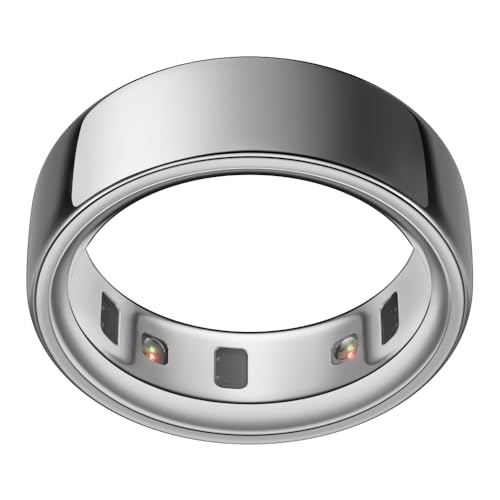
The Ultrahuman Ring Air is the smart ring for people who like the idea of Oura but hate the idea of paying rent on their own biometrics. It is extremely light, comfortable to sleep with, and built around recovery, sleep, stress, and metabolic awareness rather than notifications or smartwatch replacement gimmicks.
Ultrahuman’s biggest strength is how aggressively it leans into recovery coaching. Its dynamic recovery model can shift during the day instead of acting like your body stopped changing after breakfast, and the app has interesting extras around caffeine timing, circadian rhythm, and metabolic tracking if you are the kind of person who enjoys that rabbit hole. The downside is that the app can feel busy, and battery life is good rather than great. It is a strong pick for wellness nerds, less so for people who want the cleanest possible experience.
Pros:
- No subscription for core tracking and insights
- Very light and comfortable for overnight wear
- Strong recovery and sleep focus
- Useful extras for circadian and metabolic tracking
Cons:
- Battery life usually lands around four to six days
- App can feel dense if you just want the basics
- Workout heart-rate accuracy is weaker than a good sports watch
4. RingConn Smart Ring (Gen 2)
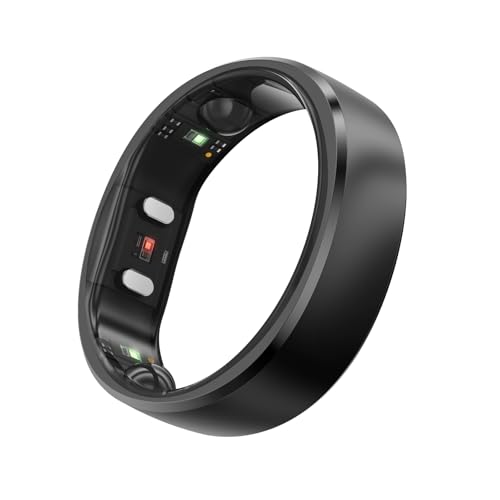
If you care about battery life more than brand prestige, the RingConn Smart Ring (Gen 2) is arguably the most practical ring on this list. This is the one that solves the most annoying smart-ring problem: having a device meant to track every night, but needing to charge it often enough that you miss nights anyway.
The pitch is simple and compelling: no subscription, around ten to twelve days of battery life, a portable charging case that stretches travel even further, and automatic sleep apnea monitoring that still stands out in this category. It is also impressively thin and light. Where it gives ground is app polish and workout reliability. If you mostly care about sleep, recovery, and wearing the thing for long stretches without thinking about it, RingConn is one of the smartest buys here.
Pros:
- Excellent battery life, typically around ten to twelve days
- No subscription fees
- Sleep apnea detection is a genuine differentiator
- Thin, light, and easy to wear continuously
Cons:
- App is useful but less polished than Oura
- Exercise heart-rate tracking is not a strong suit
- Less brand recognition and ecosystem depth than Samsung or Oura
5. Amazfit Helio Ring
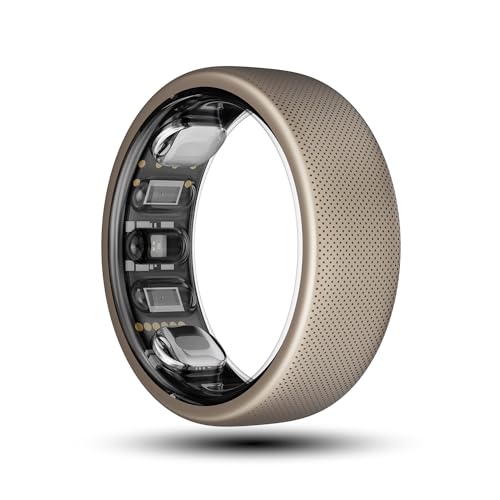
The Amazfit Helio Ring is the most appealing if you already live in the Zepp or Amazfit world and want a ring that extends that setup without adding another subscription. It focuses heavily on recovery, sleep, readiness, and stress, and it pairs especially well with Amazfit watches if you like the idea of keeping all your data in one place.
Its value story is strong. You get the core health tracking features without the Oura-style membership bill, and Amazfit has made its sleep and coaching extras much more attractive for Helio owners. The problem is that the compromises are easier to feel than with the rings above it: battery life is short, size availability is limited, and the fitness side is pretty basic. For the right buyer, though, it is a sensible way into the category.
Pros:
- No recurring subscription for core tracking
- Good sleep and recovery focus for the price
- Fits naturally into the Amazfit and Zepp ecosystem
- Useful stress and readiness features
Cons:
- Battery life is usually only around three to four days
- Limited size options make fit harder for many people
- Workout tracking is basic compared with the best wearables
Conclusion
If you want the best overall experience and you do not mind paying for the subscription that unlocks it, the Oura Ring Gen 4 is still the benchmark. If you already use Samsung hardware and want a ring that feels invisible on your finger while syncing cleanly with Samsung Health, the Samsung Galaxy Ring is the easiest recommendation. If your biggest priority is recovery tracking without another monthly bill, the Ultrahuman Ring Air is the most interesting alternative. If battery life and subscription-free sleep tracking matter most, the RingConn Smart Ring (Gen 2) is one of the strongest values in the category. And if you already use Amazfit gear and want an affordable, recovery-focused ring in the same ecosystem, the Amazfit Helio Ring makes the most sense.
The right pick mostly comes down to three questions: Do you want the best app, do you refuse subscriptions, and what phone or wearable ecosystem do you already use? Smart rings are finally good enough that the answer is less about “which one works?” and more about which compromise bothers you least.
Affiliate Disclosure
As an Amazon Associate, we earn from qualifying purchases. When you buy through our links, Amazon gives us a small commission for referring you. It doesn't cost you anything extra, and it helps keep TechRankr completely free of ads and clutter.