Best Budget Fitness Trackers of 2026: Who Each One Is Actually For
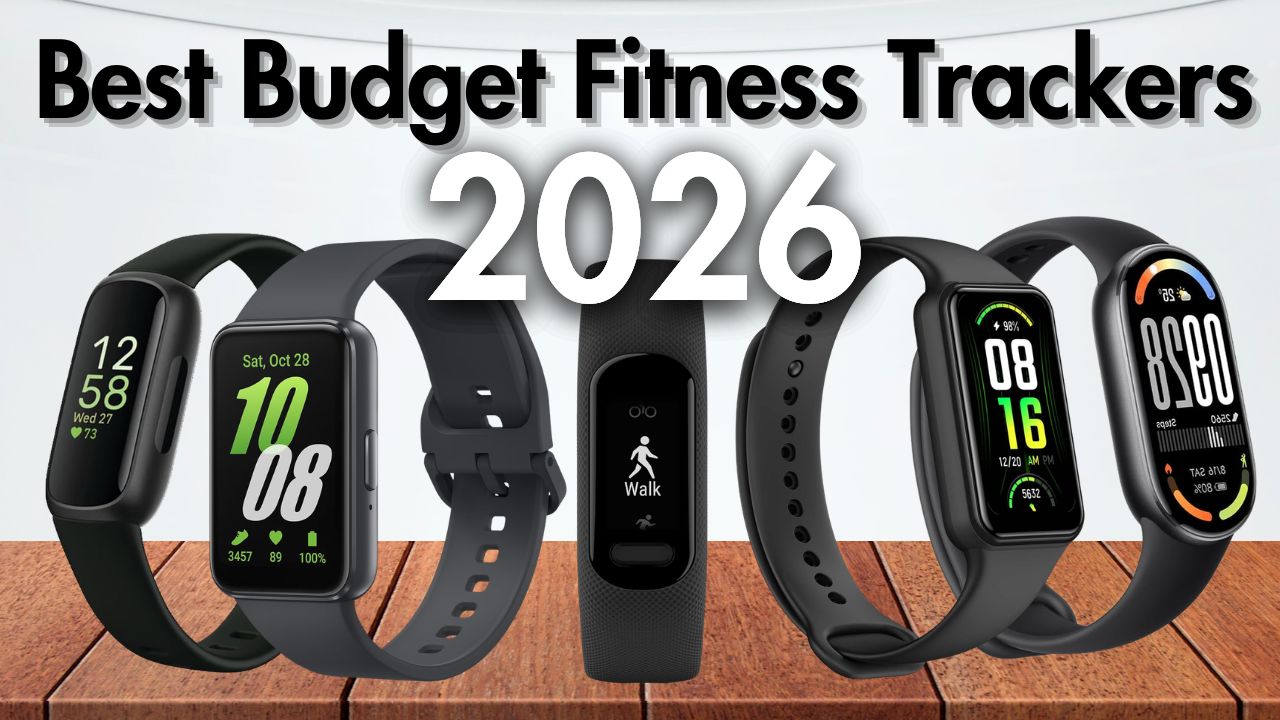
Five of the best budget-friendly fitness trackers compared—Fitbit Inspire 3, Amazfit Band 7, Xiaomi Smart Band 8, Samsung Galaxy Fit 3, and Garmin vívosmart 5—and who each one is actually for.
If you want to get healthier in 2026 without spending smartwatch money, budget fitness trackers are in a really good place right now. The problem is they all claim to track everything, and somehow you still end up wondering if you slept well or if your wrist just made that up. In this guide, we compare five of the best budget-friendly options and, more importantly, who each one is actually for.
OUR PICKS
1. Fitbit Inspire 3
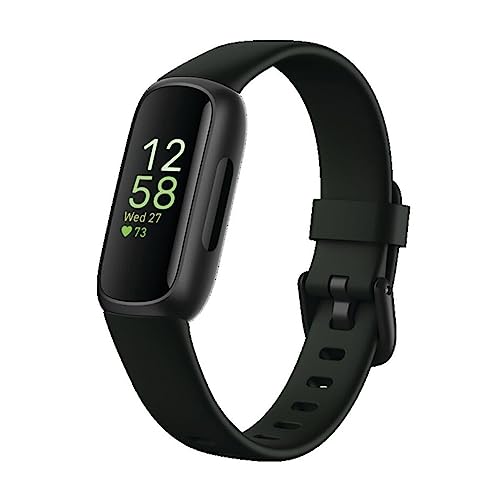
The Inspire 3 is the tracker we recommend when someone says, “I do not need a smartwatch. I need accountability.” It is small, light, and comfortable enough to wear all day and all night, which matters because Fitbit’s biggest strength is sleep tracking. The sleep presentation in the Fitbit app is clear, easy to understand, and actually useful if you are trying to spot patterns—like why you feel great on Tuesdays and like a haunted Victorian child on Thursdays.
Day to day, the Inspire 3 focuses on the basics done well: heart rate trends, steps, active minutes, workouts, and a surprisingly helpful set of stress and mindfulness features. It also adds a bright color display and a battery that can last around a week or more depending on settings, which means you are not playing the nightly “charge or track my sleep” game.
Pros:
- Best-in-class sleep tracking with clear, useful presentation
- Small, light, comfortable for 24/7 wear
- Week-plus battery life
- Stress and mindfulness features
Cons:
- Best insights split between free and Fitbit Premium
- Some deeper analytics designed to nudge toward subscription
2. Amazfit Band 7
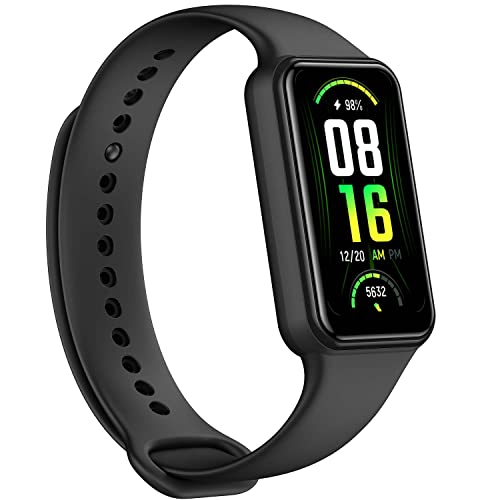
This is the one we bring up when someone says, “I want the most tracker for the least money,” and they would like the battery to last long enough that they forget where the charger is. The Band 7 gives you a bright, always-easy-to-read AMOLED display that feels a step up from what you would expect at this price. It tracks the core stuff well: heart rate, sleep, blood oxygen, stress, steps, and a long list of workout modes.
The big win is endurance. In real life it can go well over a week without drama, and if you are not maxing brightness and constant tracking features, you can stretch it closer to the “two-ish weeks” zone. That is the kind of battery life that makes you trust it more, because you actually wear it consistently. The app experience is through Zepp, and it is solid—not as polished or motivational as Fitbit, but it gives you the data cleanly and lets you dig into trends without feeling like every button is trying to sell you something. Depending on your region, you can also get Alexa support for quick timers and reminders.
Pros:
- Exceptional battery life (up to two weeks)
- Bright AMOLED display
- No subscription required
- Alexa support in some regions
Cons:
- Tracking less precise for intervals or sleep staging
- Zepp app less polished than Fitbit
3. Xiaomi Smart Band 8
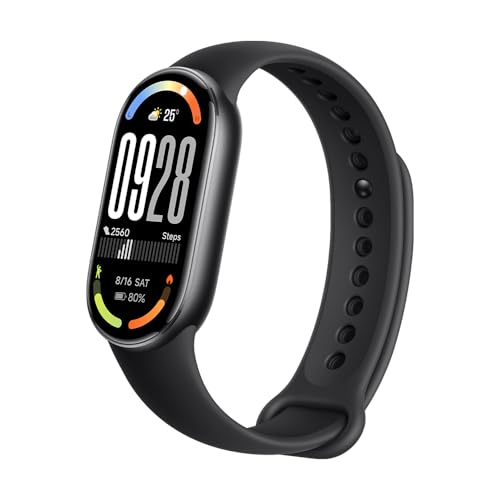
This is the one for people who want a budget tracker that does not feel like a budget tracker. Xiaomi has basically mastered the formula: make it slim, make it smooth, make it look good, then quietly pack in enough fitness features to keep most people happy. On the wrist, the Smart Band 8 feels more “mini smartwatch” than simple step counter. The display is bright and fluid, the animations are snappy, and the watch face options are almost endless.
For fitness, it covers the essentials: continuous heart rate, sleep tracking, blood oxygen, stress, and lots of workout modes. It is especially appealing if you do a mix of gym sessions, walking, and casual runs and you mainly want a clear record of what you did, how long you did it, and roughly how hard your body worked. Battery life is also strong, typically well over a week in normal use.
Pros:
- Premium feel at budget price
- Bright, fluid display with endless customization
- Strong battery life
- Accessories and different ways to wear it
Cons:
- Software ecosystem varies by region (Mi Fitness vs older apps)
- Sleep accuracy behind Fitbit
4. Samsung Galaxy Fit 3
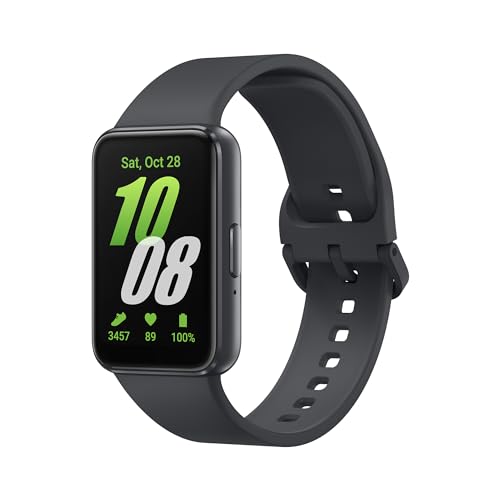
The Galaxy Fit 3 has a very specific superpower: it makes the most sense when you already live in Samsung’s world. If you use a Galaxy phone and you like Samsung Health, the Fit 3 feels less like “another gadget” and more like an extension of your phone that happens to sit on your wrist. The first thing you notice is the screen—it is larger and more watch-like than most bands, which makes it easier to read notifications, check your stats mid-walk, or glance at your heart rate without squinting.
The interface is clean and quick, and day-to-day it does what people actually buy these for: tracks steps, heart rate, sleep, and workouts reliably, then drops it into Samsung Health in a way that is easy to follow. Battery life is also a strong point—you are not getting the “two weeks without thinking” vibe of the Amazfit, but you can usually go many days on a charge depending on settings.
Pros:
- Larger, more readable screen than typical bands
- Seamless Samsung Health integration
- Clean, quick interface
- Solid battery life
Cons:
- Best experience on Samsung phones only
- Less ideal on iPhone or non-Samsung Android
5. Garmin vívosmart 5
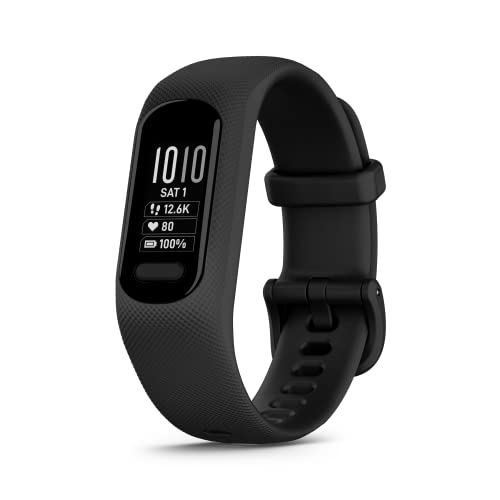
This is the one for people who want their tracker to feel less like a cute accessory and more like a dependable instrument. Garmin usually costs a bit more upfront than the ultra-cheap bands, but the value is in the long-term experience: strong health tracking, solid reliability, and no constant nudging toward a subscription. The vívosmart 5 is not trying to impress you with a flashy screen. Instead, it focuses on the stuff that actually matters if you are serious about improving fitness: consistent heart rate tracking, clear activity and recovery trends, and a deep bench of health metrics inside Garmin Connect.
For everyday use, it handles steps, workouts, sleep, and stress tracking in a way that feels mature. It is also a good choice if you are the type of person who starts with “I am just walking more,” then suddenly you are tracking resting heart rate and recovery like you are in training camp. Garmin makes that transition easy because the ecosystem scales with you. If you want the most “buy it once, use it for years” budget tracker, this is the closest thing on this list.
Pros:
- No subscription—meaningful insights included
- Strong accuracy and consistency
- Scales from beginner to serious training
- Mature, data-first platform
Cons:
- Display more functional than beautiful
- Less slick or customizable than Xiaomi
Conclusion
Budget fitness trackers in 2026 are genuinely capable—the real question is which one fits your life. If your main goals are improving sleep, building consistent habits, and getting easy-to-read health trends without a bulky device, the Fitbit Inspire 3 is one of the cleanest picks. If you want the best value, a great screen, long battery life, and a wide feature set without subscriptions, the Amazfit Band 7 feels like it is getting away with something. For the most modern, fun-to-use experience in a cheap tracker, the Xiaomi Smart Band 8 wins on design and customization. Samsung users who want a bigger screen and seamless Health integration should look at the Galaxy Fit 3. And if you want the most “buy it once, use it for years” option with no subscription pressure, the Garmin vívosmart 5 stands out.
Consider your phone ecosystem, whether you care about sleep accuracy or training depth, and how you feel about subscriptions when making your decision. All five can help you get healthier in 2026—you just need to pick the one that matches how you actually live.
Affiliate Disclosure
As an Amazon Associate, we earn from qualifying purchases. When you buy through our links, Amazon gives us a small commission for referring you. It doesn't cost you anything extra, and it helps keep TechRankr completely free of ads and clutter.